Khoi and San
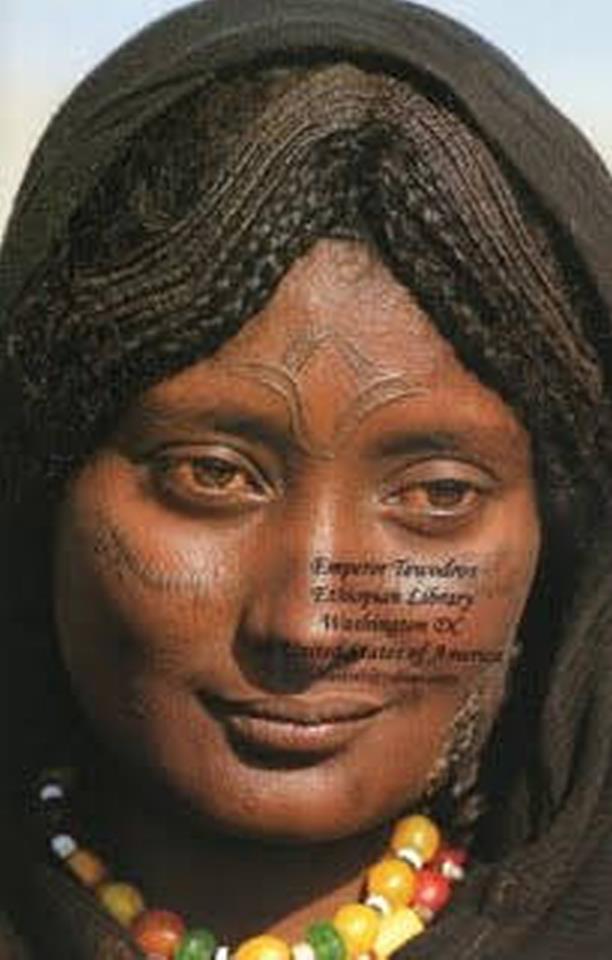
One ethnic group for which light skin is characteristic are the indigenous tribes of the Khoi and San of South Africa. They have noticeably pale, yellow-toned skin, yet have some of the oldest indigenous African DNA on the continent. (They were not among the groups who were most frequently transported as slaves to North America.)
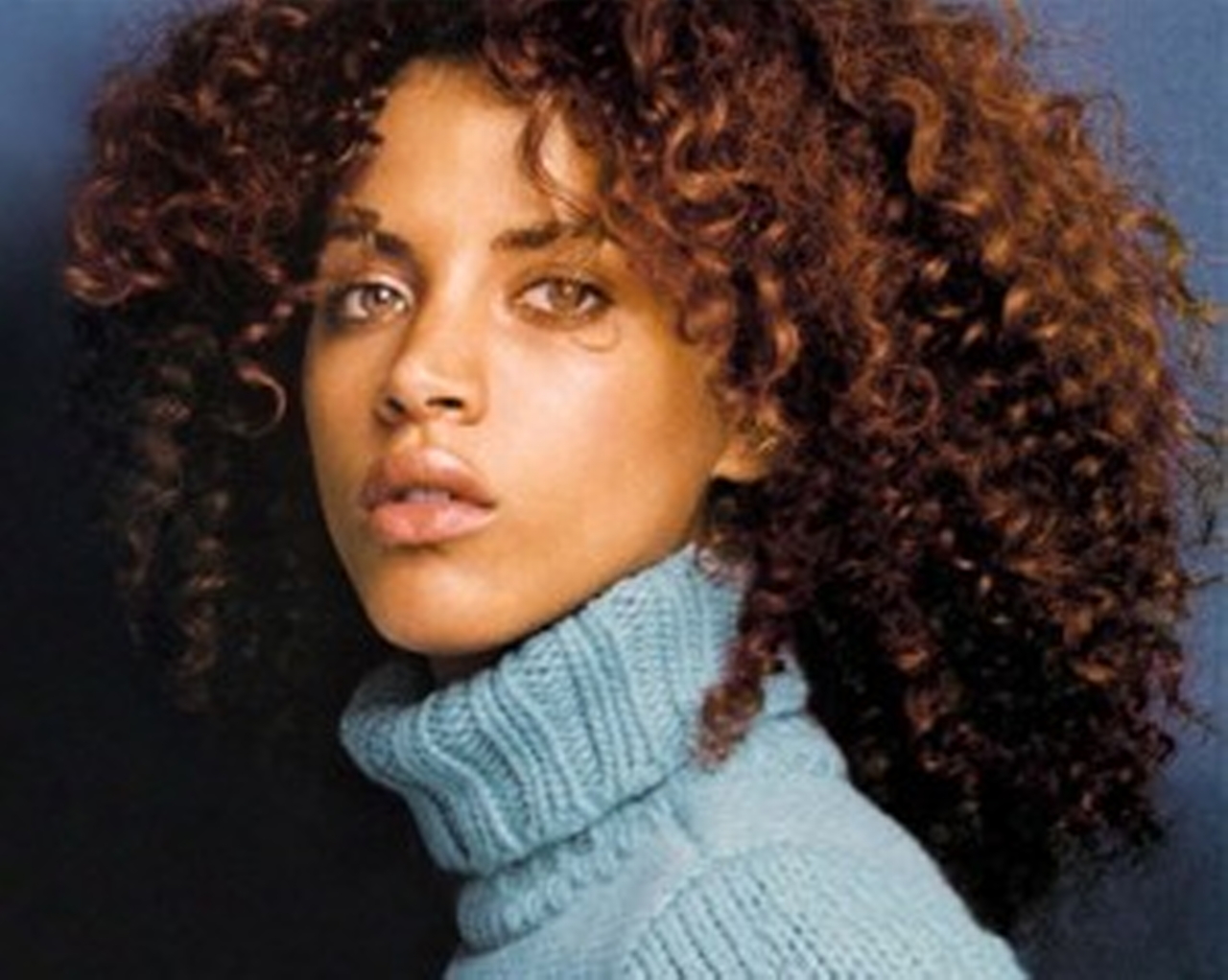
(He favors Asians to me as well)
The khoi-san are people of southern African extract hypothesized to the be the oldest closet relatives to the earliest human population. They include the khoikhoi and the san peoples.
(So Beautiful!)
Their akeen features include pepper corn hair, bronze to light brown skin, eyefolds and lean builds but short in statue
Scientific studies conclude that natural human skin color diversity is highest in Sub-Saharan African populations because of the highly diverse population; many Sub-Saharan Africans and their descendents may be naturally extremely light skinned, with others in their family being naturally extremely dark skinned. In addition, Africa has had its own long history of admixture among peoples, especially with Arabs in coastal and other regions of Africa nearest to the Arabian Peninsula and North Africa where the people came into contact. (Relethford 2000).
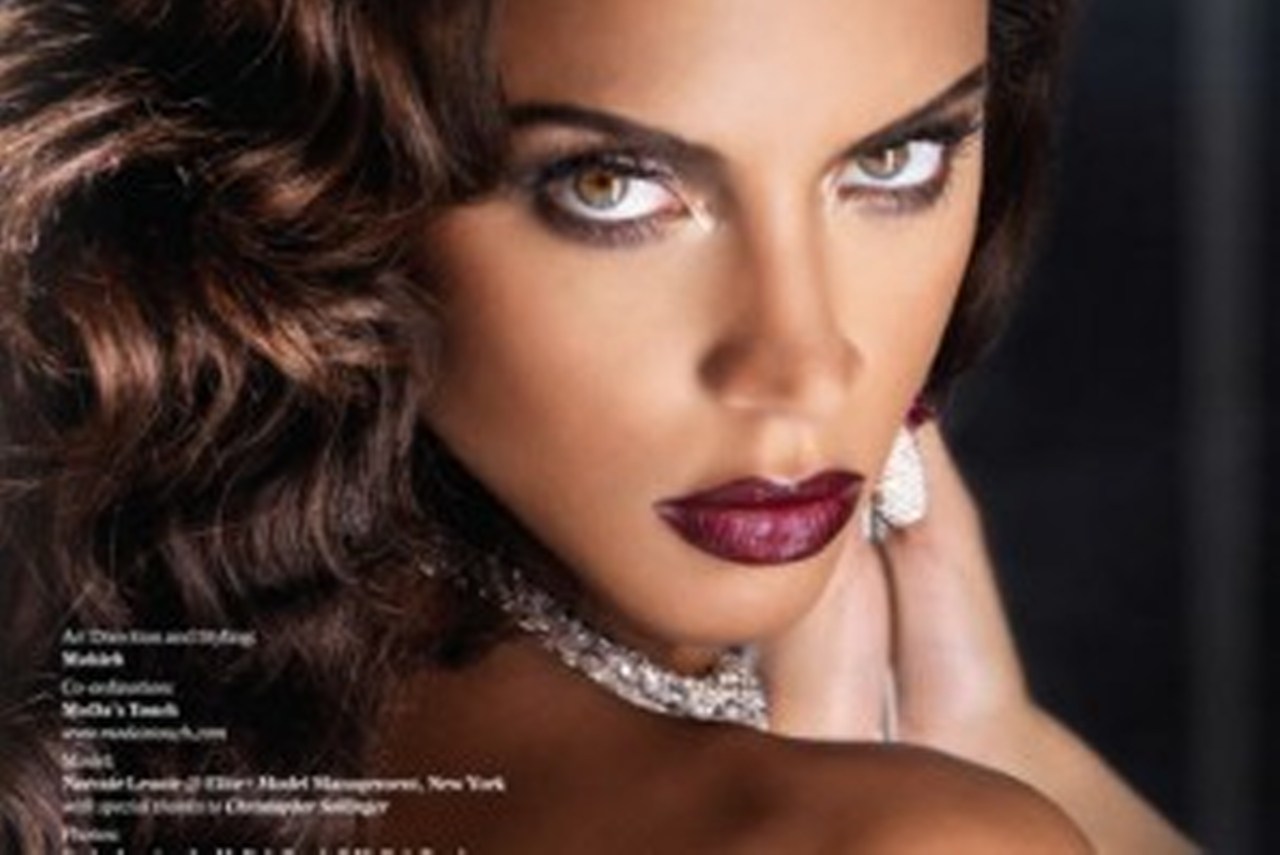
Jo-Ann Cindy Strauss (born 3 February 1981 in Cape Town) is a South African model, public speaker and businesswoman. In 2000, she represented her country as Miss South Africa at the Miss Universe pageant in Puerto Rico as well as at the Miss World pageant hosted at Sun City in her home country in 2001.
Strauss obtained her bachelors degree at the University of Stellenbosch. During her reigning year as Miss South Africa, she started her media career with the Afrikaans magazine programme Pasella before anchoring the English lifestyle magazine show Top Billing, for which she has interview the likes of Charlize Theron, Antonio Banderas and George Clooney. She has featured as a cover girl for many South African magazines.
Jo-Ann is one of South Africa’s most respected media personalities and uses her profile and influence to help various initiatives.
Pencil test (South Africa)
The pencil test is a method of assessing whether a person has Afro-textured hair. In the pencil test, a pencil is pushed through the person's hair. How easily it comes out determines whether the person has "passed" or "failed" the test.
This test was used to determine racial identity in South Africa during the apartheid era, distinguishing whites from coloureds and blacks. The test was partially responsible for splitting existing communities and families along perceived racial lines. Its formal authority ended with the end of apartheid in 1994. It remains an important part of South African cultural heritage and a symbol of racism.
Background
The Population Registration Act required the classification of South Africans into racial groups based on physical and socio-economic characteristics. Since a person's racial heritage was not always clear, a variety of tests were devised to help authorities classify people. One such test was the pencil test.
The pencil test involved sliding a pencil or pen in the hair of a person whose racial group was uncertain. If the pencil fell to the floor, the person "passed" and was considered "white". If it stuck, the person's hair was considered too kinky to be white and the person was classified as "coloured" (of mixed racial heritage). The classification as coloured allowed a person more rights than one considered "black," but fewer rights than a person considered white.
An alternate version of the pencil test was available for blacks who wished to be reclassified as coloured. In this version, the applicant was asked to put a pencil in their hair and shake their head. If the pencil fell out as a results of the shaking, the person could be reclassified. If it stayed in place, they remained classified as black.
Effects
As a result of the pencil test, combined with the vagueness of the Population Registration Act, communities were split apart on interpreted racial lines. In some cases, members of the same family were classified into different groups, and thus were forced to live apart.
In one famous case, a somewhat dark skinned girl named Sandra Laing was born to two white parents. At age 11, she was subjected to a pencil test by "a stranger" and subsequently excluded from her all-white school when she failed the test. She was reclassified from her birth race of white to coloured. Sandra and the rest of her family were shunned by white society. Her father passed a blood-type paternity test, but the authorities refused to restore her white classification.
Reputation and legacy
Although the pencil test ended with the end of apartheid in 1994, the test remains an important part of cultural heritage in South Africa and a symbol of racism worldwide. For example, a Southern Africa newspaper described incidents of mobs "testing" the nationality of suspected (black) foreigners as a "21-st century pencil test". Another South African commentator describing the same incidents called them "a gruesome re-creation of the infamous pencil test of the apartheid regime".
In 2003, a The New York Times writer called the pencil test "perhaps the most absurd" of the many "humiliating methods [used] to determine race". Frommer's calls the pencil test "one of the most infamous classification tests" of apartheid. Others have referred to it as "degrading" and "humiliating" and an "absurdity".
Coloured
In South Africa, the term Coloured (also known as Bruinmense, Kleurlinge or Bruin Afrikaners in Afrikaans) used to refer to individuals who possess some degree of sub-Saharan ancestry, but not enough to be considered black under the law of South Africa. In addition to European ancestry, they may also possess ancestry from India, Indonesia, Madagascar, Malaysia, Mauritius, Sri Lanka, China and Saint Helena. Besides the extensive combining of these diverse heritages in the Western Cape, in other parts of southern Africa, their development has usually been the result of the meeting of two distinct groups. Thus, in KwaZulu-Natal, most Coloureds come from British and Zulu heritage, while Zimbabwean coloureds come from Shona or Ndebele mixing with British and the Afrikaner settlers. Griqua, on the other hand, are descendants of Khoisan and Afrikaner trekboers. Despite these major differences, the fact that they draw parentage from more than one "naturalised" racial group means that they are "coloured" in the southern African context. This is not to say that they necessarily identify themselves as such – with a small number preferring to call themselves "black" or "Khoisan" or just "South African". The Coloureds comprise 8.8% (about 4.4 million people) of South Africa's population.
In Swaziland, although a subdued aspect of their history, many ethnic Swazi descend from mulatto offspring born to native women by way of rape during the British colonial rule of the country.
In Mauritius, Réunion and the Seychelles, there are many people of mixed white and black ancestry. In Mauritius, these are called creoles and in Réunion they are called cafres.